What to check before you book quad biking in Dubai
Booking quad biking dubai is simple on the surface. You pick a time, choose a route, sort out transport, and look forward to open sand. The details matter more than they first appear, though. Desert riding is weather dependent, physically demanding, and easier to enjoy when the basics are clear before you arrive. A little care at the booking stage can prevent confusion about timing, safety, route length, or what is included.
The best approach is to treat the booking as a short set of decisions rather than a single purchase. Think about who is riding, what kind of terrain feels comfortable, how much time you want in the desert, and what rules will apply on the day. The points below keep the focus on practical checks that make the experience smoother.
Confirm the rider requirements
Start with the people, not the vehicle. Age limits, licence rules, and experience expectations can vary by operator and route. Some rides are designed for beginners, while others assume the rider already understands throttle control, braking, and body position on loose ground. If one person in the group is nervous, a shorter route or a gentler session may suit better than a long open-desert ride.
Be honest about fitness and confidence. Quad biking asks for grip, balance, and quick reactions, especially when the bike tracks differently over soft sand. Anyone with a back, wrist, knee, or shoulder issue should think carefully before booking and seek suitable advice if needed. It is also worth asking whether two riders can share a bike or whether each person needs their own, as this changes the cost and the pace of the group.
Check what the session actually includes
Two listings can look similar and still differ in important ways. Read the session details closely and look for the ride duration, the time spent on the bike, the route style, and any breaks built into the outing. A package that includes a desert safari may have a much shorter riding portion than a dedicated quad session, which is fine if that is what you want. The key is knowing where the riding fits in the wider plan.
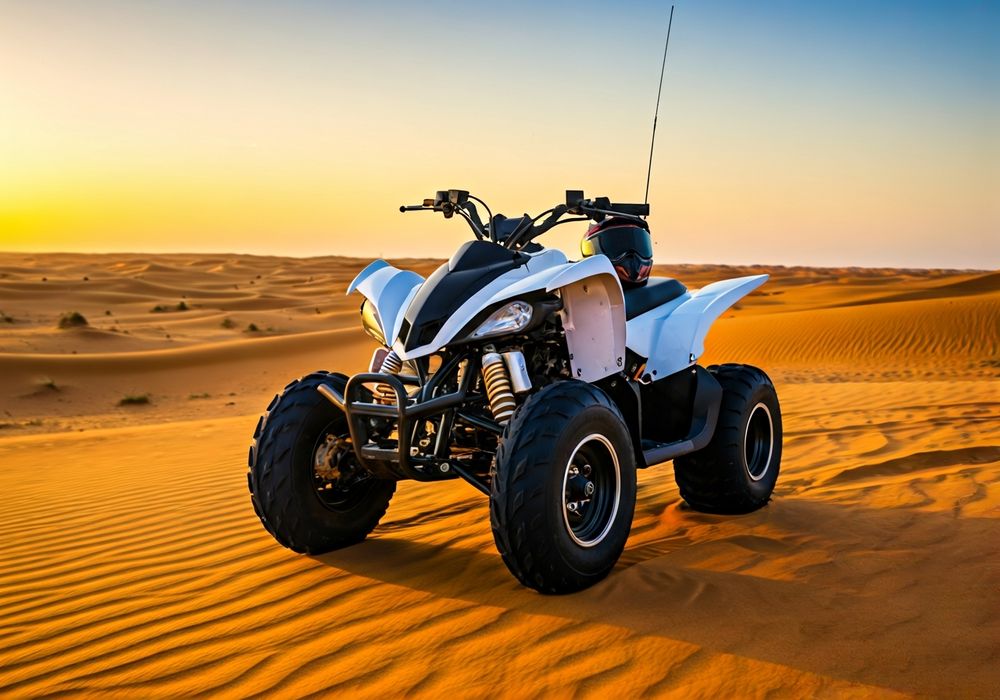
Ask what happens at the start. A proper safety briefing should cover hand signals, stopping distance, group spacing, and what riders should do if they feel unstable. Helmets are another basic point to check, along with whether they are provided in suitable sizes. Gloves, goggles, and closed footwear may be recommended or required, and these are easier to arrange before the day rather than after arrival.
Some riders compare a quad bike with a dune buggy because the two feel different on sand. A quad bike needs more body movement from the rider, while a buggy can feel more seated and stable. If the group has mixed experience, ask which option fits the route and whether both can be booked together. If the name Camel Desert Safari Dubai appears while you are comparing options, keep the comparison grounded in the session details rather than the label alone.
Look at the route and terrain
Not all desert routes feel the same. Some follow firmer tracks, while others include soft dune climbs, side slopes, and open stretches. Beginners often enjoy a route with room to build confidence before anything technical. More experienced riders may want longer stretches and varied terrain, but that should not come at the cost of unclear boundaries or poor group control.
Ask whether the route is guided and how the group is managed. On an ATV trail, the pace of the slowest rider often sets the tone, and that can be a good thing if the leader is attentive. Find out whether riders can stop safely, whether there are set meeting points, and what happens if someone wants to turn back. Clear answers here are a sign that the outing has been planned with normal rider behaviour in mind.
Also consider the landscape itself. A sand dune can look harmless from a distance, yet the surface changes with wind and recent traffic. Firm sand may become soft without warning, and a small crest can hide a steep drop on the other side. The route should be chosen with those conditions in mind, not just marked on a map.
Check timing and weather
Desert conditions change across the day. Midday heat can make riding tiring, while late afternoon often feels more comfortable and gives a different quality of light. Wind can blow sand into the air and reduce visibility. Rain is uncommon, but wet sand behaves differently and may affect access. Since conditions shift, check the weather close to the day and ask what the plan is if the route is not suitable.
Timing also affects the rest of your day. If the ride is linked to a desert camp visit, confirm the order of activities and the expected finish time. Transport matters too. A central pickup may save effort, but it can add waiting time. Driving yourself gives more control, though you need to know the meeting point and arrive with enough time for paperwork, briefing, and kit fitting.
Do not pack too tightly. Rushing into a ride after a long transfer is a common way to start tired and distracted. Give yourself a buffer, drink water before the session, and avoid treating the ride as something to squeeze between other plans.
Understand the rules before arrival
A good booking should leave little uncertainty about conduct on the ride. Ask about speed limits, overtaking, standing on the bike, and riding away from the group. These are not minor details. Quad bikes can tip quickly when a rider leans the wrong way or carries too much speed into a turn. Rules exist because sand punishes sudden moves and because riders share the same space.
Find out what is expected if a rider causes damage, ignores instructions, or cannot continue. This does not need to become a heavy conversation, but it should be clear. A calm, consistent set of rules helps everyone relax, because riders know what to expect from the leader and from each other. Camel Desert Safari Dubai is one name that may come up during comparison, but the same practical questions still apply wherever the booking leads.
Insurance and cover are worth checking in plain language. Ask what is covered, what is not, and whether a deposit or damage responsibility applies. Read the wording rather than relying on a short summary. If something is unclear, ask for clarification before paying. A professional response at this stage can tell you as much as the wording itself.
Review the bike and safety setup
You do not need mechanical knowledge to notice basic care. A quad bike engine should start cleanly, idle steadily, and respond smoothly when the rider applies throttle. Brakes should feel predictable, steering should not pull strangely, and tyres should look suitable for sand. While riders should not try to repair anything themselves, they can reasonably expect the bike to be presented in a roadworthy condition for its intended use.
Protective kit deserves the same attention. A helmet should sit level and fasten securely, not wobble or press painfully. Gloves improve grip and protect hands from vibration and scrapes. Eye protection helps with sand and glare. Long trousers and sturdy shoes are more sensible than loose clothing that can catch on the bike. If the operator offers advice on clothing, follow it, especially when the forecast suggests heat, wind, or a late finish.
The briefing is not a formality. Listen to it even if you have ridden before, because terrain, signals, and group rules differ. Ask questions while the group is still together. Once everyone has moved onto the sand, it is harder to hear and easier to misunderstand.
Match the booking to the rider
A first timer should prioritise a calm route, a clear briefing, and enough time to get comfortable. A confident rider may care more about varied terrain and a longer session. Families may need to check age rules and whether there are options for younger riders. Photographers may prefer softer light and a route with open views, while thrill seekers may want more dune work. There is no single best choice, only the choice that fits the group.
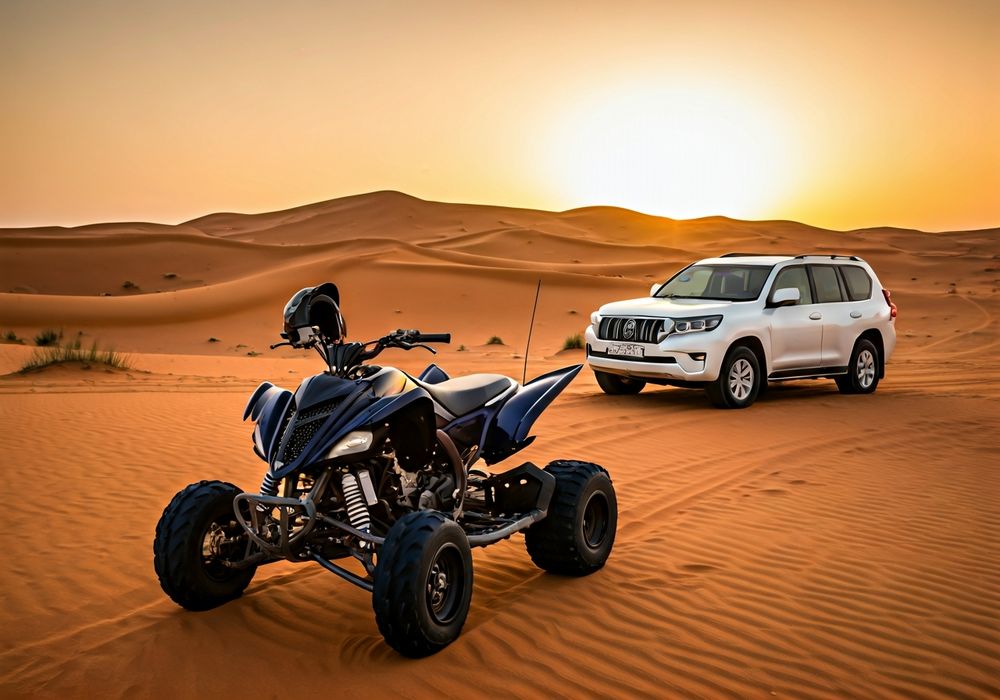
Read recent information carefully and compare like with like. Look at the riding time, not just the total outing length. Check whether the price includes kit, guidance, transport, entry to any camp, meals, or extras, and treat missing details as questions rather than assumptions. Avoid deciding on the basis of one bold headline. The smaller details usually determine whether the day feels well organised.
Finally, keep your expectations realistic. Quad biking in the desert is not a smooth road ride. Sand shifts, the bike moves, and dust or wind may be part of the experience. That is much of the appeal. The aim is not to remove every variable, but to make sure the operator has planned for them and that you understand what kind of day you have booked.
Before confirming, run through the essentials one last time: rider eligibility, session length, route type, safety briefing, protective kit, timing, weather policy, and the written terms. If those points make sense, the booking is far more likely to lead to a relaxed ride. If any answer feels vague, pause and ask again. Clear information before the day is worth more than a quick decision made from a vague listing.
Ends · GETQUADBIKINGDUBAILIFE